
Identifying and Preventing Injuries
Sports give children and teens real benefits, from physical fitness to teamwork and personal discipline. They also carry a risk of injury, and most families with an active kid will run into one eventually. What helps is knowing which injuries are common at this age, what the early warning signs look like, and which ones need a doctor rather than an ice pack and a day off.
Below is an overview of the injuries young athletes see most often and the strategies that lower the risk, with guidance from Marcus Biggers, MD, a board-certified orthopedic surgeon at OrthoSouth.
Common Sports Injuries
Sprains and Strains
- Sprains: These occur when ligaments, the tissues connecting bones, are stretched or torn. Common sites for sprains include ankles, knees, and wrists.
- Strains: These involve muscles or tendons being overstretched or torn. They commonly affect the hamstrings, quadriceps, and groin.
Fractures
Broken bones are serious injuries that can occur from falls, direct blows, or severe twists. Common fracture sites include the wrist, arm, and collarbone.
Overuse Injuries
- Shin Splints: Pain along the shinbone, often caused by repetitive stress on the bone and connective tissues.
- Tendonitis: Inflammation of a tendon, frequently seen in the shoulder, elbow, and knee, due to repetitive motion.
- Stress Fractures: Small cracks in bones, commonly in the lower legs and feet, resulting from repetitive impact activities.
Concussions
These traumatic brain injuries result from a blow to the head or body, causing the brain to move rapidly inside the skull. Symptoms can include headaches, dizziness, confusion, and loss of consciousness.
Dislocations
Dislocations occur when bones are forced out of their normal position in a joint, commonly affecting the shoulder, elbow, and fingers.
Prevention Strategies
1. Proper Training and Technique
- Education: Ensure that young athletes receive proper training in the techniques specific to their sport. Incorrect form can lead to injuries.
- Supervision: Coaches and trainers should provide continuous supervision and instruction to ensure safe practice and play.
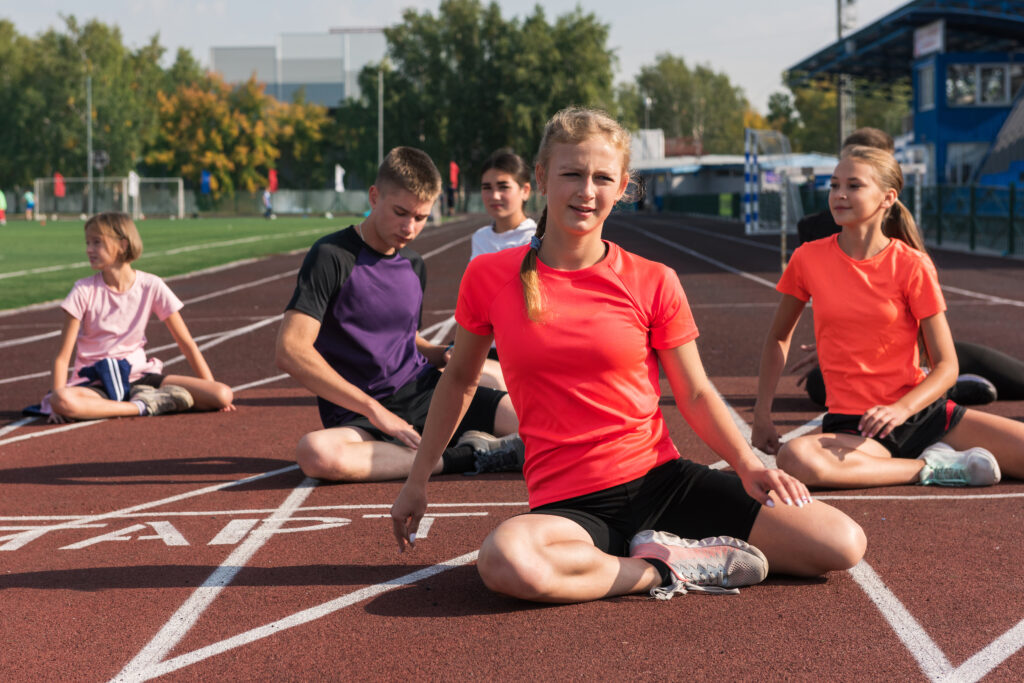
2. Warm-Up and Cool-Down
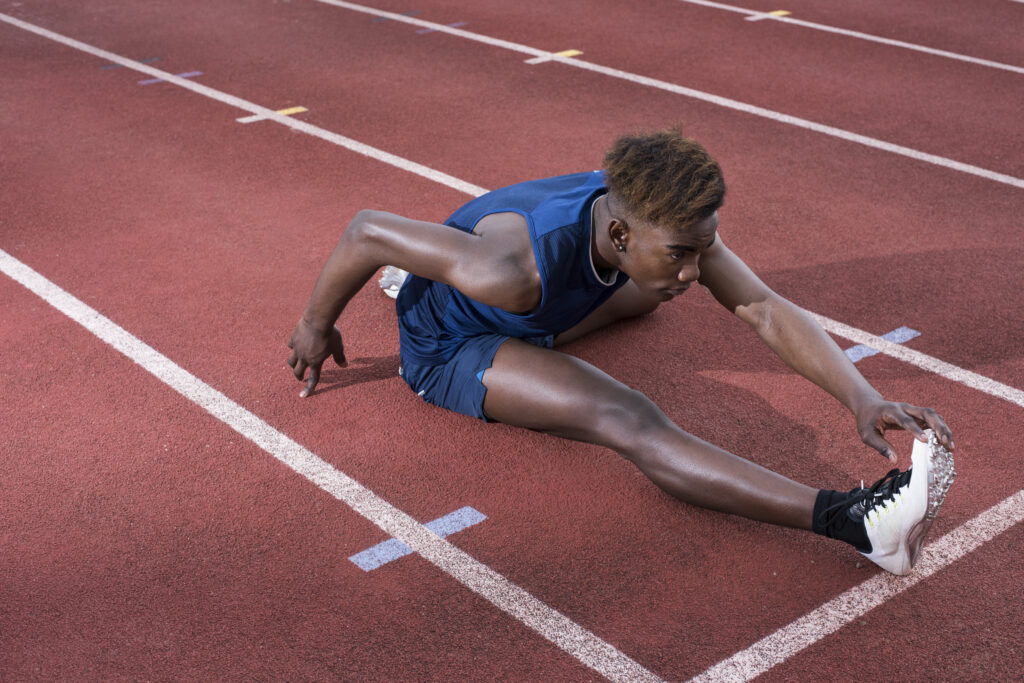
- Warm-Up: A proper warm-up increases blood flow to muscles, enhancing flexibility and reducing the risk of strains and sprains. This should include dynamic stretching and light aerobic exercises.
- Cool-Down: Cooling down helps gradually lower heart rate and can prevent muscle stiffness. Incorporate static stretching and gentle movements.
3. Strength and Conditioning
- Strength Training: Developing strong muscles can protect joints and bones. Strengthening core muscles is particularly important for overall stability and injury prevention.
- Conditioning: Regular conditioning exercises improve endurance and reduce fatigue, which can lower the risk of injuries during play.
4. Use of Proper Equipment
- Protective Gear: Ensure athletes wear sport-specific protective equipment, such as helmets, mouthguards, shin guards, and padding. Proper fitting of gear is crucial.
- Footwear: Proper shoes that fit well and are designed for the specific sport can prevent foot and ankle injuries.
5. Avoiding Overuse
Overuse injuries build slowly, which is what makes them easy to miss until an athlete is already sidelined. Regular breaks between practices and competitions matter, and so does cross-training, since varying the activity keeps repetitive stress off the same muscle groups and joints. Both come down to managing how much work an athlete takes on week to week, covered in more depth in our guide to preventing overuse injuries in young athletes.
6. Hydration and Nutrition
- Hydration: Staying hydrated is essential for maintaining muscle function and preventing cramps and heat-related illnesses.
- Nutrition: A balanced diet rich in vitamins, minerals, and proteins supports overall health and recovery. Calcium and vitamin D are particularly important for bone health, and our nutrition tips for young athletes go further on what that looks like day to day.
7. Recognizing and Responding to Injuries
- Early Detection: Educate athletes, parents, and coaches on the signs and symptoms of common injuries. Early detection and treatment can prevent minor injuries from becoming serious.
- Medical Attention: Ensure prompt medical evaluation and treatment for any injury. Do not allow athletes to “play through the pain” as this can exacerbate injuries.
8. Safe Playing Environment
Weather Considerations: Be mindful of extreme weather conditions. Avoid playing in conditions that are too hot, cold, or wet to reduce the risk of heat-related illnesses and injuries from slips and falls.
Field and Equipment Maintenance: Regularly inspect playing surfaces and equipment for hazards. Ensure that fields, courts, and other facilities are safe and well-maintained.
Preventing sports injuries in children and teens involves a comprehensive approach that includes proper training, use of protective equipment, appropriate physical conditioning, and awareness of potential risks. What happens after the whistle counts too, and our guide to recovery for young athletes covers the hours and days that follow a hard effort. By adopting these strategies, young athletes can enjoy the physical and social benefits of sports while minimizing the risk of injuries. Education, supervision, and a focus on safety are key components in fostering a healthy and active lifestyle for young sports enthusiasts.